

Author: Isna Rahmah Solihatin
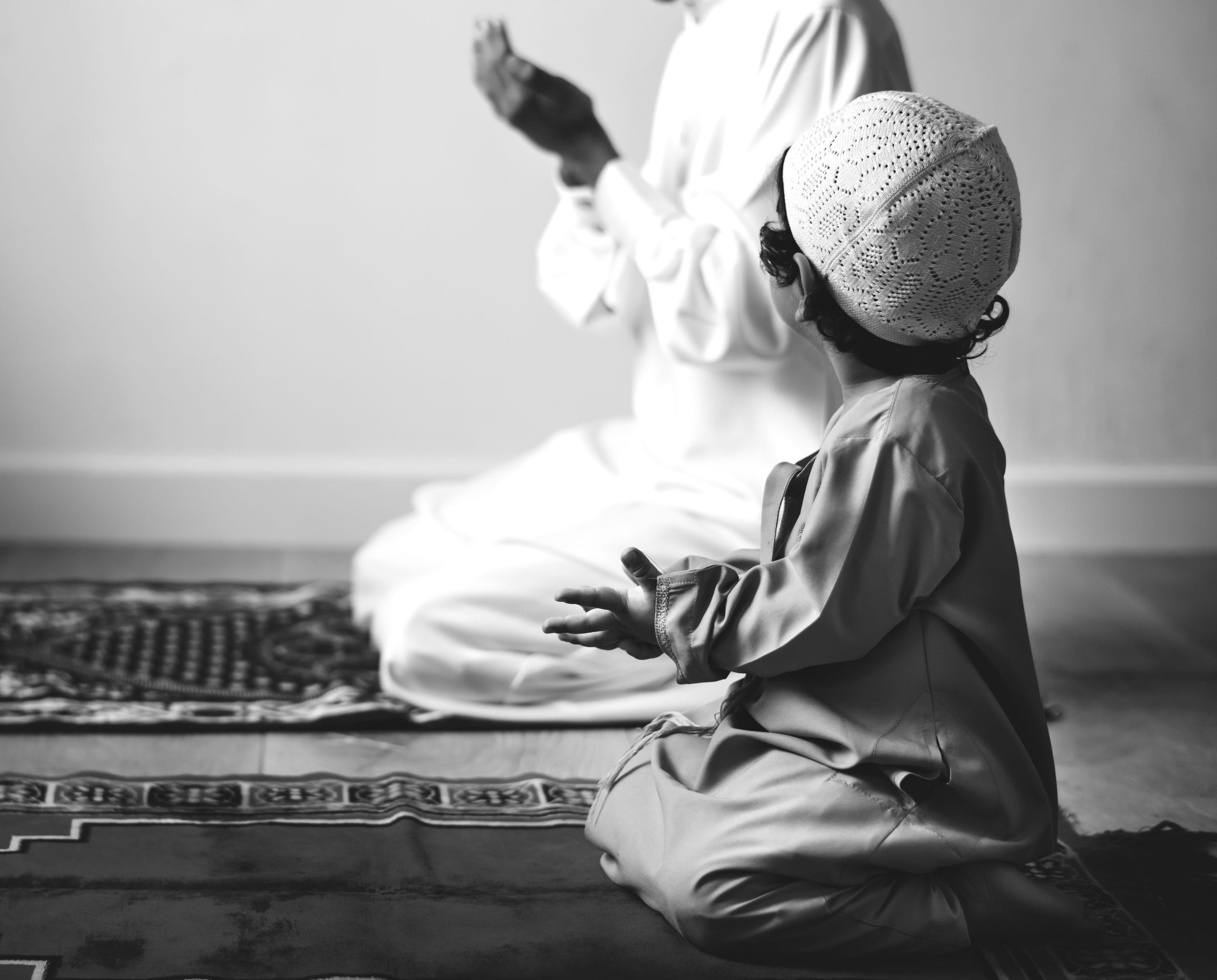
Rasulullah (peace be upon him) said that the first ritual to be judged is our prayer. This hadith emphasizes the central importance of prayer in Islam. Have we ever asked ourselves about the significance of prayer other than it being a command from Allah?
Indeed, it is the command of Allah that makes prayer obligatory. However if we want to delve deeper into the purpose of making prayer mandatory, we may discover that we had never considered before. Allah, as the ultimate creator, knows what is best for His servants. Everything He commands serves a purpose, this includes the prayer.
In prayer, 1 unit (raka’ah) consist of Takbiratul Ihram, Ruku’, Sujud, I’tidal, Sitting Iftirasy, Sitting Tawarruk, and Salam. Do we realize why Allah has commanded us to perform these specific movements?
A study titled “Comparison of Hamstring Flexibility among Regular and Irregular Muslim Prayer Offerers” by The Healer Journal of Physiotherapy and Rehabilitation Sciences stated that the act of Muslim prayer which we commonly refer to as Solat, is considered as a moderate physical exercise particularly to the large muscle groups. It encourages health and well-being, as the body’s muscle contractions during prayer are both isotonic and isometric.
Solat includes two main flexion postures: Ruku’ and Sujud. If we observe closely, these two movements have a positive effect on the flexibility of the lower back and hamstring muscles. All solat positions benefit us, it will help us to increase the blood flow or circulation. Solat can also serve as a reminder to move and engage in low or light intensity physical activity, which helps keep the heart and lungs fit.
Can we imagine if we perform Solat 5 times a day with the proper posture or position? It would surely be great for our body, wouldn’t it?
Beside promoting spiritual well being, Solat has been proven to enhance our physical well being, so what else could possibly make us avoid performing Solat?
Leave a Reply